Dermal Filler Before and Aftercare: What You Need to Know
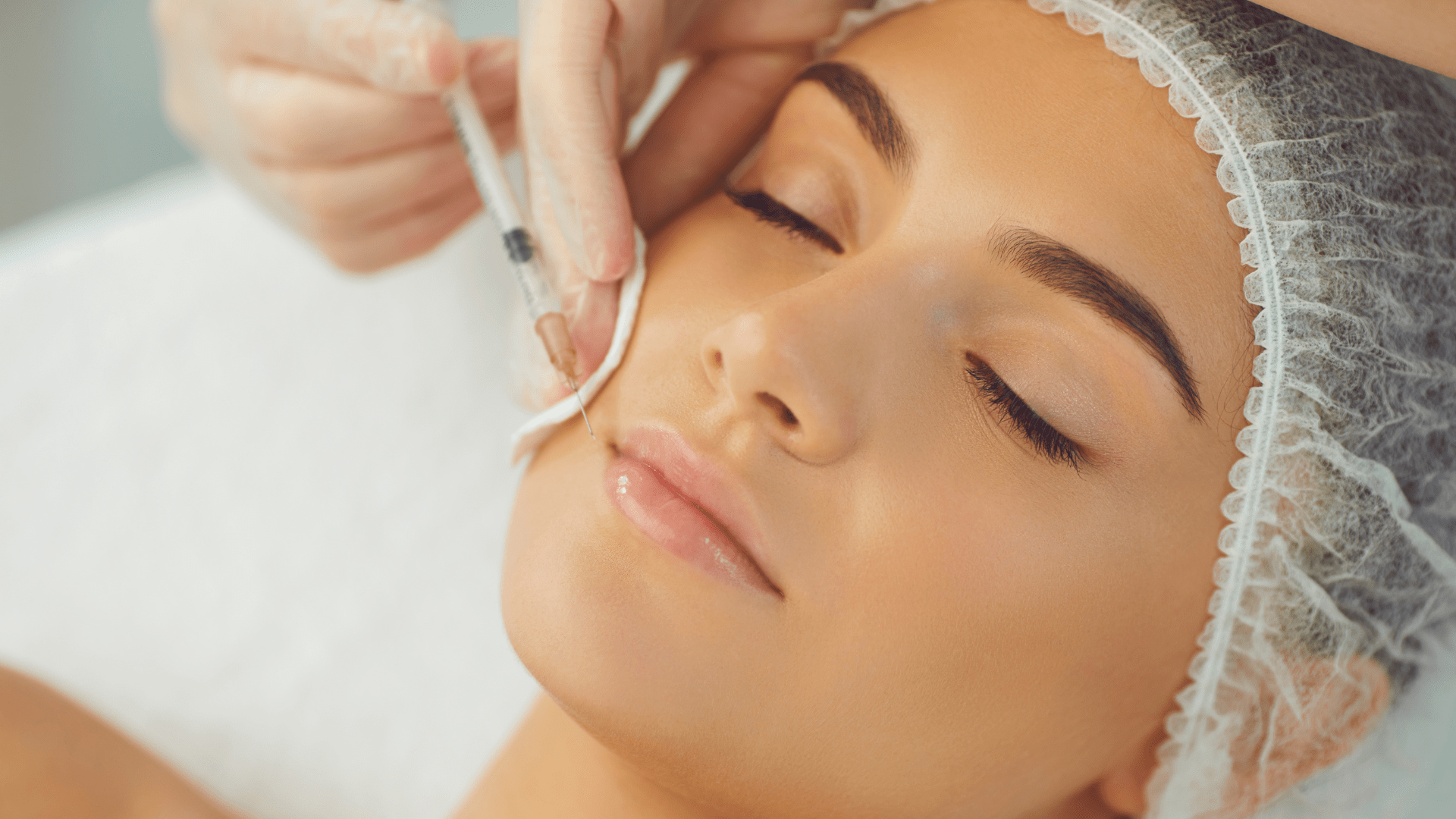
Dermal filler treatments can do quite a lot with just a few carefully placed injections. Depending on the product and treatment area, fillers may be used to restore volume, soften lines and folds, enhance the lips, or add definition to areas such as the cheeks, chin, and jawline. We also offer SKINVIVE™ by JUVÉDERM®, a hyaluronic-acid injectable designed specifically to improve cheek skin smoothness rather than add noticeable volume.
To learn about how a lip flip offers a different approach to lip enhancement, click here.
Although filler appointments typically require little downtime, swelling and bruising are common, and proper preparation can make recovery much easier. Here's what to know before and after your dermal filler treatment at Beautyfluff.
Before Your Dermal Filler Treatment
Share Your Medical History
Before treatment, tell your Beautyfluff provider about your health, medications, allergies, and previous injectable treatments.
Be sure to mention if you:
-
Are pregnant, trying to become pregnant, or breastfeeding
-
Have a bleeding or clotting disorder
-
Have severe or multiple allergies or a history of anaphylaxis
-
Are allergic to lidocaine or another ingredient in the filler being used
-
Have an active infection, rash, inflamed breakout, cold sore, or open wound near the treatment area
-
Have a history of unusual scarring
-
Have previously experienced a reaction to dermal filler
-
Have recently had another aesthetic procedure in the same area
Dermal filler should not be injected through actively inflamed or infected skin. The FDA also notes that safety during pregnancy and breastfeeding has not been established.
Review Your Medications and Supplements
Give your provider a complete list of prescription medications, over-the-counter medicines, vitamins, and supplements.
Blood thinners, aspirin, NSAIDs, and certain supplements may make bruising or bleeding more noticeable.
However, never stop a prescribed or medically necessary medication on your own just to prepare for filler. If something may affect your treatment, your Beautyfluff provider and prescribing clinician can help determine the safest plan.
Tell Us if You Get Cold Sores
If your lips or the area around your mouth will be treated, let us know if you have ever had cold sores. Lip injections may occasionally trigger a recurrence of herpes simplex in someone with a history of outbreaks. Your provider may recommend preventive antiviral medication when appropriate.
Only take medication prescribed or approved for you.
Plan Around Dental Work
We ask patients to avoid major dental work and deep dental cleanings for approximately two weeks before and two weeks after filler treatment.
Dental procedures and other infections or inflammatory events have been associated with delayed swelling or inflammation around some filler sites.
Let your provider know if you have an upcoming root canal, extraction, implant, deep cleaning, or other significant dental procedure so your appointments can be spaced appropriately.
Give Yourself a Little Time Before an Event
Filler results may be visible immediately, but swelling, tenderness, and bruising can temporarily change how the area looks.
If you are preparing for a wedding, vacation, photographs, or another important event, do not schedule your first filler appointment the day before.
Give yourself enough time for swelling and bruising to settle.
The Day of Your Appointment
Whenever possible, arrive with clean skin and little or no makeup over the treatment area.
Avoid applying heavy creams, oils, or irritating skincare products immediately beforehand.
Your provider will assess your facial anatomy, discuss the product and placement, cleanse the treatment area, and review what you can realistically expect from the treatment.
Some fillers contain lidocaine to make injection more comfortable, and additional numbing may be used when appropriate.
The injections may feel like brief pinches, pressure, or fullness.
If you feel sudden severe pain, unusual burning, or another sensation that feels distinctly wrong during treatment, say something immediately.
What to Expect After Dermal Filler
A little swelling is very normal after filler.
You may temporarily notice:
-
Swelling or puffiness
-
Redness
-
Tenderness
-
Bruising
-
Mild pain
-
Firmness
-
Small lumps or bumps
-
Itching
-
Temporary unevenness while swelling settles
These reactions often improve over several days, although some may remain noticeable for one to two weeks depending on the product, location, and individual response.
Lips in particular can swell quite noticeably during the first couple of days.
Try not to judge your final result immediately after leaving the treatment room. Fresh filler plus swelling is not the same thing as your settled result.
Dermal Filler Aftercare
Give the Area a Gentle First Day
Avoid unnecessarily rubbing, pressing, squeezing, or massaging the treated area unless your provider specifically tells you to.
Your injector may massage the filler during the appointment to help with placement, but that does not mean you should continue doing it at home.
Be gentle when washing your face, applying skincare, or getting dressed around the treated area.
Avoid Intense Exercise, Heat, and Alcohol
For the first 24 hours, minimize:
-
Strenuous exercise
-
Extensive sun exposure
-
Saunas and steam rooms
-
Very hot showers
-
Other sources of significant heat
-
Alcohol
These can make temporary redness, swelling, or itching more noticeable. This guidance appears in the patient labeling for several hyaluronic-acid fillers, including Voluma® and Volux®.
Light daily activity is generally fine if you feel comfortable.
Use a Cold Compress for Swelling
If the area feels swollen or tender, a clean, wrapped cold pack may help.
Use light pressure and never place ice directly against the skin.
There is no need to repeatedly press or manipulate the filler while icing.
Keep Makeup and Skincare Gentle
Ask your provider when makeup can be reapplied. Once the injection sites have closed and your provider says it is appropriate, use clean hands, brushes, and applicators. Avoid aggressively rubbing or buffing over the treated area. Your usual gentle skincare is generally enough. If an active ingredient stings or irritates the injection sites, give your skin a little more time to recover before trying to use it again.
Sleep Comfortably
If your face feels swollen, sleeping with your head slightly elevated during the first night may feel more comfortable.
Try to avoid prolonged pressure directly against freshly treated areas when possible.
There is no need to spend the night sitting perfectly upright.
Wait Before Dental Work
Continue avoiding major dental work or deep cleaning for approximately two weeks after treatment. If unexpected dental treatment becomes necessary, tell your dentist that you recently received filler.
A Few Treatment-Specific Notes
Lip Filler
Lip swelling can look more dramatic than swelling in many other treatment areas.
The lips may temporarily feel:
-
Puffy
-
Firm
-
Tender
-
Slightly uneven
-
Bruised
-
More prominent than expected
Give the swelling time to settle before deciding whether the lips look too full or asymmetrical.
Avoid unnecessary pressure against the lips while they are tender. If you have a history of cold sores, also watch for the familiar tingling, burning, or blistering that may signal an outbreak.
Voluma® and Volux®
Structural fillers used around areas such as the cheeks, chin, or jawline may initially feel firm or mildly tender.
Voluma® and Volux® are hyaluronic-acid fillers designed for deeper structural support, so it may take a little time for swelling to settle and for the result to feel natural to you. We currently use these products for facial contouring and volume restoration.
Avoid repeatedly pressing or “checking” the filler with your fingers during the first few days.
SKINVIVE™
SKINVIVE™ is a little different from a traditional volumizing filler.
It is FDA-approved for intradermal injection to improve cheek skin smoothness in adults over 21. Rather than building facial structure or noticeably changing contour, it is placed in small amounts within the skin.
You may still experience small bumps, redness, bruising, tenderness, or swelling after treatment. The same general gentle-care rules apply.
When Should You Contact Beautyfluff?
Contact the clinic if you experience:
-
Increasing redness, warmth, pain, or swelling
-
Pus or drainage
-
Fever or feeling unwell
-
A firm or painful lump that is not gradually improving
-
Significant asymmetry after the initial swelling period
-
Persistent or worsening tenderness
-
A cold-sore outbreak
-
A rash or hives
-
Swelling or inflammation that develops days, weeks, or even months after treatment
-
Any reaction that feels unusual or concerning
Delayed nodules, infection, granulomas, and inflammatory reactions can occasionally occur after filler, so a new problem should still be reported even if your appointment was not recent.
Know the Signs of a Vascular Occlusion
There is one filler complication that deserves special attention.
In rare cases, filler can accidentally enter or compress a blood vessel and interrupt blood flow. This is called a vascular occlusion.
Although uncommon, it can cause tissue damage and, in very rare cases, blindness or stroke.
Contact Beautyfluff immediately and seek urgent medical attention if you experience:
-
Severe or unusual pain, especially pain that seems disproportionate
-
Skin that becomes white, pale, gray, blue, or unusually mottled
-
Skin that suddenly feels cool or appears to be losing circulation
-
New vision changes
-
Blurred or lost vision
-
Severe eye pain
-
Sudden weakness or numbness
-
Facial drooping
-
Difficulty speaking
-
Severe dizziness, confusion, or another sign of stroke
These are not normal signs of swelling or bruising and should never be watched at home to see whether they improve.
Follow Your Personal Treatment Plan
There are many types of dermal filler, and they are not interchangeable.
The right aftercare may vary depending on:
-
Which product was used
-
Where it was injected
-
How much was placed
-
Whether a needle or cannula was used
-
Your tendency to swell or bruise
-
Your medical history
-
Whether this was your first treatment or a touch-up
Always follow the instructions given directly by your Beautyfluff provider.
Hyaluronic-acid fillers can often be dissolved with hyaluronidase if medically necessary, while other filler materials may not be easily reversible. This means that knowing which product you received is important.
Conclusion
Dermal filler aftercare is not overly complicated.
Before your appointment, share your complete medical and medication history, let your provider know about cold sores and upcoming dental work, and arrive with clean, healthy skin.
After treatment, give the area a gentle first day. Avoid intense exercise, heat, alcohol, and unnecessary pressure while swelling begins to settle.
Some puffiness, tenderness, and bruising are completely expected. Give your filler time to settle before judging the final result—but pay close attention to severe pain, unusual skin-color changes, or vision symptoms, which require immediate attention.
At Beautyfluff, every filler treatment begins with a careful assessment of your anatomy, your goals, and the features you want to enhance without losing what already feels like you.
We will also make sure you know exactly what was used, what to expect afterward, and how to care for the treatment area as your results settle.
Book a consultation with Beautyfluff today to find the dermal filler treatment that best fits your goals.
Comments