Morpheus8 Before and Aftercare: What You Need to Know
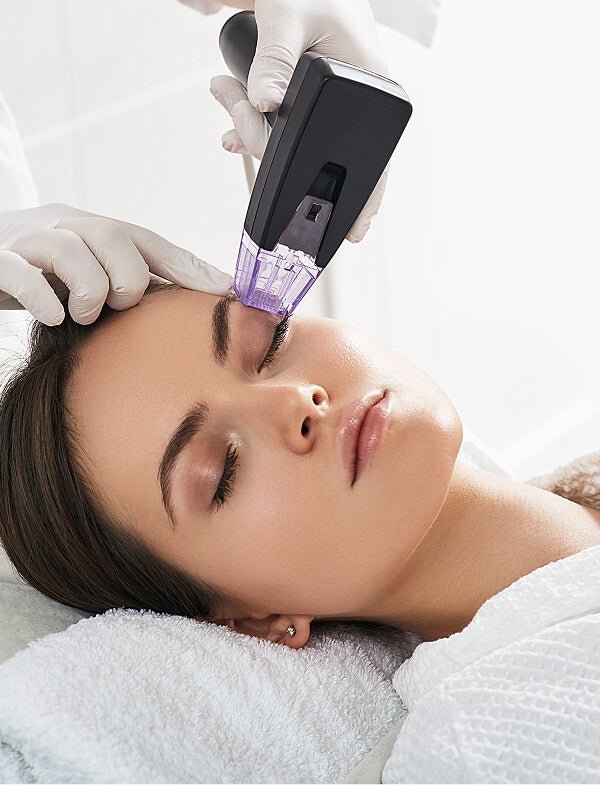
Morpheus8 is often described as a skin-tightening treatment, but it does a little more than that.
By combining microneedling with radiofrequency energy, Morpheus8 works beneath the surface of the skin to support collagen remodeling while also improving concerns such as fine lines, wrinkles, acne scars, uneven texture, and mild skin laxity.
Because the treatment reaches deeper layers of the skin, however, your skin will need a little patience and gentle care afterward. Preparing properly can also help reduce unnecessary irritation and give your provider the safest possible starting point.
The process does not need to feel overwhelming. Most of the instructions come down to keeping your skin calm, being honest about your health history, and giving yourself enough time to heal.
Here is what you should know before and after your Morpheus8 treatment at Beautyfluff.
How Does Morpheus8 Work?
Morpheus8 is a fractional radiofrequency microneedling treatment.
During the procedure, a handpiece containing small microneedles creates controlled channels in the skin. Radiofrequency energy is then delivered through those pins, creating controlled heat at carefully selected depths.
This combination encourages the skin’s natural repair response and supports the production and reorganization of collagen and elastin. Over time, the treated area may appear firmer, smoother, and more refined.
Morpheus8 can be used on areas such as the face, neck, chest, back of the hands, and selected areas of the body. Your provider will adjust the depth and treatment settings according to the area being treated, your skin, and your individual goals.
Since Morpheus8 involves both microneedling and heat, it is considered a medical procedure rather than an ordinary facial. That makes proper screening, preparation, and aftercare especially important.
Before Your Morpheus8 Treatment
A good treatment begins before the device ever touches your skin.
Your provider needs to understand what is happening with your skin, your health, and any recent treatments you may have received. Even details that seem unrelated may help them determine whether Morpheus8 is suitable for you or whether your appointment should be postponed.
Keep Your Skin Calm
In the days leading up to your appointment, avoid doing anything that leaves the treatment area irritated, dry, peeling, or unusually sensitive.
Your provider may ask you to temporarily pause products such as:
-
Retinoids and retinol
-
Glycolic acid
-
Salicylic acid
-
Alpha and beta hydroxy acids
-
Strong vitamin C formulas
-
Exfoliating toners
-
Facial scrubs
-
At-home chemical peels
-
Other products that regularly cause dryness or sensitivity
You do not need to abandon your skincare routine completely. A gentle cleanser, a comfortable moisturizer, and sunscreen are usually enough while your skin is preparing.
Your provider will let you know exactly when to stop and restart active ingredients based on your skin and the products you use.
Avoid Tanning and Sunburn
Morpheus8 should not be performed over freshly tanned, sunburned, or actively irritated skin.
Avoid tanning beds, deliberate tanning, and prolonged unprotected sun exposure before your appointment. Wear a broad-spectrum sunscreen with an SPF of at least 30 each day, and use shade, a hat, or other protection when spending time outdoors.
If you develop a sunburn before your appointment, let us know! It may be better to give your skin time to recover rather than treating it while it is already inflamed.
Avoid Waxing and Harsh Hair Removal
Waxing, depilatory creams, and other irritating hair-removal methods can leave the skin more sensitive than it appears.
Avoid using them over the treatment area shortly before your appointment. Shaving may be permitted depending on the area, but ask your provider how close to the treatment it should be done.
The goal is to arrive without cuts, razor burn, inflammation, or broken skin.
Tell Your Provider About Recent Treatments
Let your provider know about any recent aesthetic or medical procedures involving the treatment area.
This includes:
-
Botox or other neuromodulators
-
Dermal fillers
-
Chemical peels
-
Laser treatments
-
Microneedling
-
Surgery
-
Threads
-
Skin biopsies
-
Other invasive or resurfacing procedures
The appropriate amount of time between treatments depends on what you received, where it was placed, and whether the area has completely healed.
Do not assume that a procedure is too minor or too old to mention. Your provider can decide whether it affects your Morpheus8 treatment plan.
Review Your Medications and Health History
Before treatment, tell your provider about all prescription medications, over-the-counter medications, vitamins, and supplements you take.
This is especially important if you:
-
Take blood-thinning medication
-
Have a bleeding or clotting disorder
-
Take medication that affects healing or immunity
-
Have recently used isotretinoin, sometimes known as Accutane
-
Take medication that increases skin or light sensitivity
-
Have diabetes, thyroid disease, or another condition that may affect healing
-
Have a history of unusual scarring or keloids
Do not stop a prescribed medication simply to prepare for treatment. Your prescribing clinician and Morpheus8 provider should determine whether anything needs to be adjusted.
Tell Us About Implants and Medical Devices
Radiofrequency energy may not be appropriate for patients with certain implanted devices.
Tell your provider if you have:
-
A pacemaker
-
An internal defibrillator
-
An implanted glucose monitor or another electronic implant
-
Metal plates or screws near the treatment area
-
Silicone implants
-
Permanent implants or injected substances in the treatment area
Having an implant does not always mean that every treatment is impossible, but your provider needs the full information before making that decision.
Let Us Know About Skin Conditions or Infections
Your treatment may need to be postponed if the area has an active skin condition or infection.
Tell your provider if you have:
-
Open sores or cuts
-
A rash
-
Eczema or psoriasis in the treatment area
-
Active acne lesions that are severely inflamed or infected
-
A bacterial or fungal infection
-
Very dry, cracked, or fragile skin
-
A suspicious mole or lesion
-
A history of skin cancer in the area
It is better to allow the skin to settle than to add controlled heat and microneedling to an area that is already struggling.
Mention Any History of Cold Sores
If you have ever experienced cold sores or herpes outbreaks near the treatment area, tell your provider before your appointment.
Treatments that create heat or controlled skin injury can sometimes trigger a recurrence. Your provider may recommend preventive medication, depending on your history and the area being treated.
Pregnancy and Nursing
We may not treat patients who are pregnant or nursing with Morpheus8. Let us know if you are pregnant, think you may be pregnant, are trying to become pregnant, or are currently breastfeeding.
The Day of Your Appointment
Arrive with clean skin whenever possible.
Avoid wearing makeup, self-tanner, perfume, heavy creams, facial oil, or active skincare products over the treatment area. Your provider will cleanse and prepare the skin before beginning.
A topical numbing cream is commonly applied before Morpheus8 to make the procedure more comfortable. Depending on the treatment area and planned settings, your provider may discuss other comfort options with you.
Tell your provider if you have ever experienced an allergy or unusual reaction to lidocaine, topical anesthetics, adhesives, antiseptics, or similar products.
It is also helpful to:
-
Eat a normal meal unless instructed otherwise
-
Drink enough water
-
Wear comfortable clothing
-
Choose clothing that allows easy access to the treatment area
-
Pull long hair away from the face or neck when those areas are being treated
Before treatment begins, your provider will review your skin and make sure there have not been any important changes since your consultation.
What Should You Expect After Morpheus8?
Immediately after treatment, your skin may look and feel as though it has been through something—and that is completely understandable.
Common temporary reactions include:
-
Redness
-
Swelling
-
Warmth
-
Tenderness
-
Tightness
-
Mild stinging
-
Pinpoint marks
-
Tiny crusts or scabs
-
Temporary dryness or roughness
These reactions may be more noticeable in some areas than others. Swelling can also appear more prominent the following morning, particularly when the face or area around the eyes has been treated.
For many patients, redness and swelling begin improving over the first several days. Small crusts or a slightly textured feeling may remain a little longer. Stronger settings and deeper treatments may require more recovery time than lighter treatments.
Try not to judge your final results during this early healing stage. Morpheus8 works through gradual collagen remodeling, so changes continue developing after the visible redness has settled.
Morpheus8 Aftercare
After treatment, your skincare routine should feel simple, calm, and almost uneventful. This is not the moment to test a new acid serum or convince a stubborn patch of dryness to exfoliate faster.
Your skin is already doing enough.
Follow Your Provider’s Cleansing Instructions
Your provider will tell you when you may wash the treatment area.
Once cleansing is permitted, use:
-
Clean hands
-
Lukewarm water
-
A mild, non-exfoliating cleanser
-
Light pressure rather than scrubbing
Pat the skin dry with a clean, soft towel. Do not rub it.
Avoid cleansing brushes, washcloth scrubbing, sonic devices, and anything else that creates friction while the skin is healing.
Moisturize Gently
Use the moisturizer or post-procedure product recommended by your provider.
A simple, fragrance-free moisturizer can help reduce dryness and support the skin barrier. Apply it gently without massaging the area aggressively.
Avoid products that burn, sting, feel unusually warm, or contain a long list of active ingredients. A product being expensive or normally helpful does not necessarily make it appropriate for freshly treated skin.
Wait Before Wearing Makeup
We generally advise waiting approximately one to two days before applying makeup after Morpheus8.
Your exact timing may depend on the treatment depth and how your skin looks. If the skin remains open, very irritated, or covered in fresh pinpoint crusts, your provider may ask you to wait longer.
When you return to makeup:
-
Use clean brushes and applicators
-
Avoid expired products
-
Apply everything gently
-
Remove makeup without rubbing or exfoliating
-
Do not apply makeup over blisters, drainage, or open skin
A bare face for a day or two may not be your favorite accessory, but it gives the skin a cleaner and calmer environment in which to recover.
Pause Active Skincare Ingredients
Do not rush back into retinol, exfoliating acids, scrubs, strong vitamin C products, or other potentially irritating ingredients.
Avoid products containing:
-
Retinoids
-
Glycolic acid
-
Salicylic acid
-
Lactic acid
-
Other exfoliating acids
-
Benzoyl peroxide
-
Alcohol-heavy formulas
-
Menthol or strongly cooling ingredients
-
Fragrances that irritate your skin
Your provider will tell you when your normal routine can be resumed. Wait until the skin has healed and no longer feels unusually dry, tender, rough, or sensitive.
When restarting active products, introduce them gradually rather than bringing everything back at once.
Do Not Pick at Tiny Scabs
Small crusts or pinpoint marks can appear as part of the normal healing process.
Let them fall away naturally.
Picking, rubbing, scratching, or trying to exfoliate them off can interrupt healing and increase the chance of irritation, infection, scarring, or changes in pigmentation.
Even when the texture feels tempting, gentle patience will serve your skin much better than a scrub.
Protect Your Skin From the Sun
Freshly treated skin needs careful protection from UV exposure.
Avoid direct sun as much as possible, particularly during the early healing period. Once your provider says sunscreen may be applied, use a broad-spectrum SPF of at least 30 every day.
You can also protect the area with:
-
A wide-brimmed hat
-
Shade
-
Protective clothing
-
Limited time outdoors during peak sunlight
Reapply sunscreen as directed, especially when spending time outside.
Sun protection helps reduce irritation and unwanted pigmentation while also protecting the collagen improvements you are working toward.
Avoid Heat and Heavy Sweating
For the first day or two, or for the timeframe given by your provider, avoid activities that create excessive heat, flushing, or sweat.
This may include:
-
Strenuous exercise
-
Saunas
-
Steam rooms
-
Hot tubs
-
Hot yoga
-
Very hot showers
-
Heated facial treatments
Heat can make swelling, redness, and stinging feel more noticeable. Sweat may also irritate freshly treated skin.
A quieter evening, a lukewarm shower, and clean pillowcases are usually kinder choices during the first part of recovery.
Avoid Swimming While the Skin Is Healing
Pools, lakes, oceans, and hot tubs can expose healing skin to chlorine, salt, microorganisms, and other irritants.
Wait until your provider confirms that the skin barrier has recovered before swimming or soaking the treatment area.
Be Careful With Other Treatments
Do not schedule another facial, peel, laser session, waxing appointment, injectable, or exfoliating treatment until we confirm that your skin is ready.
Morpheus8 is often performed as a series, but each session should be spaced according to your provider’s treatment plan and your individual recovery.
More treatment is not always better when the skin has not finished healing from the last one.
What Is Normal After Treatment?
Temporary redness, mild swelling, tenderness, tightness, pinpoint marks, and small crusts can all be part of the usual healing process.
You may also notice that the skin feels:
-
Dry
-
Rough
-
Slightly itchy
-
More sensitive than usual
-
Tight when making facial expressions
-
Mildly bruised in certain areas
These reactions should generally become less noticeable with time.
Your provider may give you more specific expectations based on the treatment area, needle depth, radiofrequency settings, and number of passes used.
When Should You Contact Beautyfluff?
Contact the clinic if you notice anything that seems severe, unusual, or increasingly uncomfortable.
This includes:
-
Severe or worsening pain
-
Blistering
-
A burn
-
Increasing rather than improving swelling
-
Spreading or intense redness
-
Pus, drainage, or another sign of infection
-
Fever
-
Open sores
-
A significant rash
-
A cold-sore outbreak
-
Persistent numbness, weakness, or unusual nerve sensations
-
Unexpected dents, indentations, or changes in facial contour
-
Significant darkening or lightening of the skin
-
Scarring
-
Any reaction that worries you
You do not need to wait until a symptom becomes dramatic before contacting your provider. If something feels wrong, reaching out early is the right choice.
Why Provider Experience Matters
RF microneedling should be performed by a licensed medical provider with appropriate training and experience.
The treatment settings, energy level, depth, number of passes, and placement all matter. Those choices should be based on your anatomy, skin thickness, treatment area, goals, and medical history—not simply on a standard setting used for everyone.
Most patients experience temporary, manageable side effects. However, burns, scarring, unwanted changes in pigmentation, fat loss, and nerve injury have been reported with RF microneedling procedures.
That is why your consultation and provider selection are just as important as the aftercare products waiting on your bathroom counter.
Follow Your Personal Treatment Plan
This article provides a general overview, but your provider’s instructions should always come first.
Morpheus8 can be adjusted in many ways. Someone receiving a lighter treatment on the face may not have the same recovery as someone receiving a deeper treatment on the neck or body.
Your personal instructions may vary according to:
-
Your treatment area
-
Your skin type and sensitivity
-
The depth and energy used
-
Your health history
-
Your medications
-
Whether Morpheus8 was combined with another procedure
-
How your skin responds after treatment
Follow the plan we give you, and make sure to ask questions whenever something is unclear!
Conclusion
Morpheus8 can support smoother texture, firmer-looking skin, and gradual collagen remodeling, but your skin needs time and gentle care to do that work.
Preparing properly means keeping the treatment area calm, avoiding unnecessary sun exposure, and sharing your complete medical and treatment history with your provider.
Afterward, keep your routine simple. Cleanse gently, moisturize, protect your skin from the sun, step away from strong active ingredients, and resist the urge to pick at small crusts as they heal.
Most importantly, pay attention to your skin. Mild redness and swelling may be expected, but you should always contact your provider if a reaction seems severe, unusual, or continues to worsen.
At Beautyfluff, we take the time to assess your skin, listen to your concerns, and create a Morpheus8 treatment plan that reflects your individual needs. We will also walk you through your pre- and post-care instructions, so you can approach each appointment knowing what to expect.
Book a consultation with Beautyfluff today to learn whether Morpheus8 is the right next step for your skin!
Comments