PRP Injections Before and Aftercare: What You Need to Know
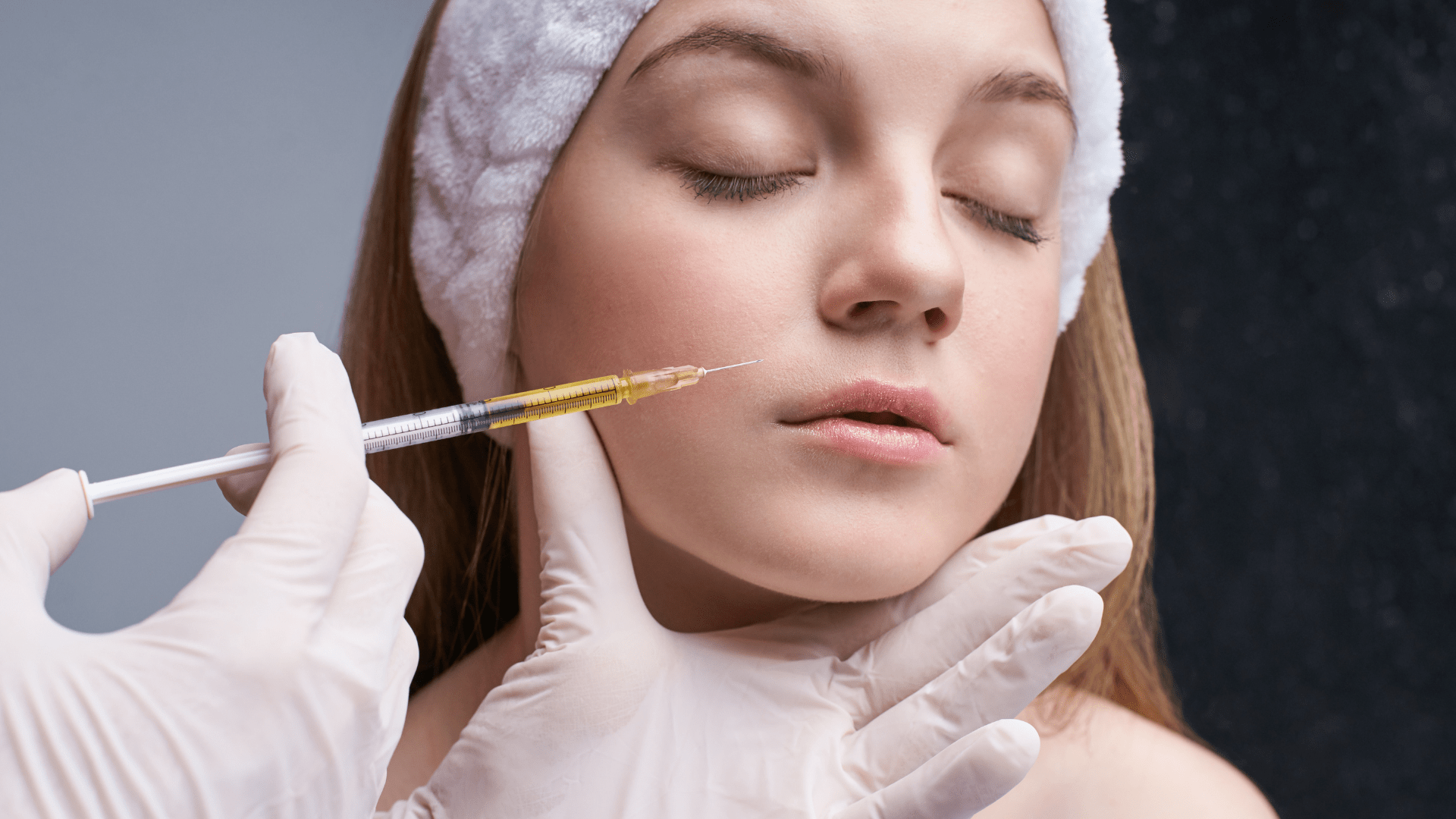
Platelet-rich plasma treatments begin with something wonderfully familiar to your body: your own blood.
During a PRP appointment, a small blood sample is collected and placed into a centrifuge. The centrifuge separates the blood into its different components, allowing your provider to prepare a portion of plasma with a higher concentration of platelets.
This platelet-rich plasma, or PRP, is then injected into carefully selected areas of the face or scalp. Depending on the service you choose, PRP may be used to support gradual skin rejuvenation or encourage healthier-looking hair growth.
At Beautyfluff, some of our PRP injection options include:
-
PRP Facial Injections
-
PRP Hair Restoration
-
PRP + ACell Hair Restoration
Each option has a different goal, but the preparation process is fairly similar. Arriving hydrated, sharing an accurate medical history, and giving the treatment area a little gentle care can make the experience much more comfortable.
Here is what to know before and after your PRP injection appointment at Beautyfluff.
What Are PRP Injections?
Platelets are small components of the blood that help with clotting and play an important role in the body’s natural repair response. They also contain proteins and signaling factors involved in tissue healing.
To prepare PRP, your provider draws a small amount of blood and processes it in a centrifuge. The platelet-rich portion is then collected and injected into the planned treatment area.
Since the PRP comes from your own blood, the treatment is considered autologous. This means that the material being placed back into your body came directly from you.
PRP treatments are intended to encourage gradual changes rather than create an immediate transformation. Results vary from person to person, and a series of appointments may be recommended depending on your concerns and treatment plan.
Beautyfluff’s PRP Injection Options
PRP Facial Injections
PRP Facial Injections place platelet-rich plasma into carefully selected areas of the face.
The treatment is designed to support gradual skin renewal and may help improve the appearance of:
-
Fine lines
-
Uneven texture
-
Mild acne scarring
-
Crepey-looking skin
-
Dullness
-
Certain visible signs of aging
PRP is not a traditional dermal filler and should not be expected to produce the same immediate or predictable volume. Its effects tend to appear more gradually as the skin responds over time.
We generally recommend a series of a few sessions, although your personal plan may vary.
PRP Hair Restoration
PRP Hair Restoration involves injecting platelet-rich plasma into areas of the scalp affected by thinning.
The goal is to support existing hair follicles and encourage improvements in hair density, thickness, and overall scalp health. PRP cannot create new follicles where follicles no longer exist, and not every form of hair loss responds in the same way.
This is why an evaluation is important before beginning treatment. Hair loss may be influenced by genetics, hormones, nutrition, stress, illness, medication, inflammation, or scarring conditions. Understanding the likely cause helps determine whether PRP is a reasonable option.
We generally recommend a series of three to six sessions, depending on the patient and their goals.
PRP + ACell Hair Restoration
PRP + ACell Hair Restoration combines platelet-rich plasma with an additional biologic matrix product.
The treatment is intended to support the scalp environment and provide another option for patients experiencing hair thinning or loss.
Because ACell materials may be derived from porcine tissue, it is especially important to tell your provider if you have ever experienced an allergy or sensitivity to pork or porcine-derived medical products.
Your provider should explain exactly which product will be used, why it is being recommended, and how the preparation and aftercare may differ from standard PRP Hair Restoration.
Before Any PRP Injection Treatment
Whether you are treating the face or scalp, preparation begins with the same few essentials: hydration, a complete health history, and a treatment area that is clean and healthy.
Share Your Medical History
Tell your provider about any health condition that may affect your blood, immune system, skin, scalp, or ability to heal.
This is particularly important if you:
-
Have a bleeding or clotting disorder
-
Have a low platelet count
-
Have significant anemia
-
Have a blood or bone marrow condition
-
Have an active infection or fever
-
Have a weakened immune system
-
Take medication that suppresses immune function
-
Have diabetes or difficulty healing
-
Have an autoimmune condition
-
Have a history of keloids or unusual scarring
-
Are receiving treatment for cancer or another serious illness
-
Have recently undergone surgery
-
Have a history of fainting during blood draws
-
Have previously reacted poorly to an injection or blood-based treatment
Not every medical condition automatically prevents treatment. Your provider simply needs enough information to decide whether PRP is appropriate for you or whether medical clearance may be needed.
There is no such thing as sharing too much when it helps your provider care for you more safely.
Review Your Medications and Supplements
Give your provider a complete list of everything you take, including prescriptions, over-the-counter medications, vitamins, and herbal supplements.
Be sure to mention:
-
Prescription blood thinners
-
Aspirin
-
Anti-inflammatory medications
-
Medications that affect platelets or clotting
-
Fish oil
-
Vitamin E
-
Herbal supplements
-
Medications that affect immunity or healing
Some medications and supplements can increase bruising or affect how platelets function.
However, you should never stop a medically necessary medication on your own to prepare for PRP. This is especially important with prescription blood thinners and aspirin taken for cardiovascular protection.
Your Beautyfluff provider and the clinician who prescribed the medication can determine whether it is safe to make any changes or whether the appointment should be adjusted.
When in doubt, ask rather than guessing.
Let Us Know if You Are Pregnant or Nursing
Let us know if you are pregnant, think you may be pregnant, are trying to become pregnant, or are currently breastfeeding.
Elective PRP treatments are often postponed during pregnancy and nursing because there is limited safety information for cosmetic use during these periods.
Your provider will follow our current protocol and help you choose the safest timing.
Drink Plenty of Water
PRP begins with a blood draw, so good hydration is especially helpful.
Drink water regularly during the day before your appointment and the morning of treatment, unless a medical professional has instructed you to restrict fluids.
Being well hydrated may make the blood draw easier and can help you feel more comfortable during the appointment.
There is no need to overdo it. Simply give your body the water it normally needs and arrive comfortably hydrated.
Eat Before Your Appointment
Unless your provider tells you otherwise, eat a normal, balanced meal before your appointment.
Arriving on an empty stomach can make lightheadedness more likely during a blood draw or injection procedure.
Let us know if you tend to feel faint around needles. It is much more common than you might think, and knowing ahead of time allows us to help you feel more comfortable.
Limit Alcohol
Alcohol can contribute to dehydration, flushing, swelling, and bruising.
Your provider may ask you to avoid alcohol shortly before and after treatment. Follow the specific timeframe given during your consultation.
Avoid Smoking Whenever Possible
Nicotine narrows the blood vessels and may interfere with normal circulation and healing.
Avoiding or reducing smoking before and after PRP may help create a healthier environment for the treatment area as it recovers.
Preparing for PRP Facial Injections
Facial skin should be calm, healthy, and free from active irritation before treatment.
Keep Your Skincare Routine Gentle
In the days leading up to your appointment, avoid products that leave your skin peeling, inflamed, unusually dry, or sensitive.
Your provider may ask you to temporarily pause:
-
Retinol and prescription retinoids
-
Glycolic acid
-
Salicylic acid
-
Lactic acid
-
Other exfoliating acids
-
Benzoyl peroxide
-
Facial scrubs
-
At-home peels
-
Strong or acidic vitamin C formulas
-
Any product that regularly irritates your skin
The exact amount of time depends on your skin and the strength of the products you use.
Until your appointment, a gentle cleanser, comfortable moisturizer, and daily sunscreen are usually enough.
Avoid Sunburn and Tanning
Do not arrive with freshly sunburned, peeling, or significantly irritated skin.
Avoid tanning beds, deliberate tanning, and long periods of unprotected sun exposure before treatment. Use a broad-spectrum sunscreen with an SPF of at least 30 each day.
If you develop a sunburn, contact Beautyfluff. Giving your skin a little extra time is much kinder than trying to treat it while it is already inflamed.
Check Your Skin
Contact the clinic if you develop:
-
An active cold sore
-
Open cuts or sores
-
A skin infection
-
A significant inflammatory breakout
-
A spreading rash
-
Severe dryness or cracking
-
A flare of a chronic skin condition
-
Any unexplained irritation
Your appointment may need to be postponed until the area is calm and intact.
Mention Any History of Cold Sores
Facial injections can occasionally trigger a herpes simplex outbreak in someone with a history of cold sores.
Tell your provider even if it has been years since your last outbreak. Preventive antiviral medication may be recommended depending on your history and the area being treated.
Only use medication prescribed or approved for you.
Arrive With Clean Skin
Whenever possible, arrive with clean, bare skin.
Avoid applying:
-
Makeup
-
Self-tanner
-
Facial oils
-
Heavy creams
-
Perfume over the treatment area
-
Retinoids
-
Exfoliating products
-
Other strong active ingredients
Your provider will cleanse and prepare your skin before beginning.
Preparing for PRP Hair Restoration
Scalp preparation is slightly different from facial preparation, but it is still pleasantly simple.
Arrive With Clean Hair and Scalp
Wash your hair according to your provider’s instructions, usually before arriving for your appointment.
Avoid applying heavy styling products to the scalp, including:
-
Dry shampoo
-
Hair spray
-
Styling gel
-
Pomade
-
Scalp oils
-
Thick leave-in products
-
Fibers or powders used to disguise thinning
A clean scalp gives your provider a clearer treatment area and helps reduce unnecessary residue around the injection sites.
Check Your Scalp
Tell Beautyfluff if you develop:
-
An active scalp infection
-
Open sores
-
Significant irritation
-
A painful or inflamed rash
-
Severe dandruff with broken skin
-
A flare of psoriasis, eczema, or another scalp condition
-
Recent sunburn on the scalp
-
Any unexplained tenderness or drainage
PRP should not be injected through infected, actively inflamed, or broken skin.
Discuss the Cause of Your Hair Loss
PRP is not equally suitable for every type of hair loss.
Tell your provider about:
-
When the thinning began
-
Whether the loss was sudden or gradual
-
Any recent illness or surgery
-
Pregnancy or postpartum changes
-
Major stress
-
Changes in nutrition or weight
-
New medications
-
Hormonal or thyroid conditions
-
A family history of pattern hair loss
-
Burning, itching, scaling, or scalp pain
-
Areas that appear smooth, scarred, or completely hairless
Additional medical evaluation or laboratory testing may be appropriate when the cause of hair loss is unclear.
Ask About Hair Coloring and Chemical Services
Tell your provider if you recently colored, bleached, relaxed, permed, or chemically treated your hair.
These services may irritate the scalp, even when the surface appears normal. We can advise you on how much time to leave between a chemical hair service and your PRP appointment.
It is also best to wait until the injection sites have healed before scheduling your next chemical service.
Additional Preparation for PRP + ACell Hair Restoration
Follow all of the standard PRP Hair Restoration instructions, and make sure your provider knows about any history of allergy or sensitivity to porcine materials.
You should also ask:
-
What specific ACell product will be used?
-
What is the product made from?
-
Why is it being added to the PRP?
-
Is this use included in the product’s cleared indications?
-
Are there any additional allergy or aftercare considerations?
-
How does the expected treatment schedule differ from PRP alone?
You deserve to understand every material used during your appointment, even when the product name sounds familiar.
The Day of Your PRP Appointment
Your appointment will begin with a small blood draw.
The blood is then placed into a centrifuge, where it is separated into different components. Once the PRP has been prepared, your provider will inject it into the selected areas of the face or scalp.
A topical anesthetic or another comfort measure may be used depending on the treatment area.
Tell your provider if you have ever had an allergy or unusual reaction to:
-
Lidocaine or another local anesthetic
-
Topical numbing products
-
Antiseptics
-
Adhesives
-
Latex
-
Porcine-derived materials
-
Any previous injectable product
You may feel pressure, pinching, tenderness, or brief stinging during the injections. Comfort varies from person to person, and it is perfectly fine to let your provider know when you need a pause.
General PRP Injection Aftercare
After treatment, the area may feel as though it has had a busy day.
Mild tenderness, swelling, redness, bruising, or small injection marks are common. These reactions should gradually improve rather than become more intense.
Keep the Area Clean
Follow your provider’s instructions about when you may wash the face, scalp, or hair.
Once cleansing is permitted:
-
Wash your hands first
-
Use lukewarm water
-
Use gentle pressure
-
Avoid scrubbing
-
Pat rather than rub
-
Use only provider-approved products
Do not repeatedly touch the injection sites or apply products that sting or irritate the area.
Avoid Heat and Heavy Exercise
Your provider may ask you to avoid strenuous exercise and excessive heat during the early recovery period.
This can include:
-
Intense workouts
-
Hot yoga
-
Saunas
-
Steam rooms
-
Hot tubs
-
Very hot showers
-
Other activities that cause heavy sweating or flushing
Heat and exercise can make redness, throbbing, swelling, and bruising feel more noticeable.
A quieter day or two may not be especially exciting, but your skin and scalp will appreciate it.
Avoid Alcohol During Early Recovery
Alcohol may make bruising, flushing, dehydration, and swelling more noticeable.
Follow your provider’s instructions about when it is appropriate to resume drinking.
Be Careful With Pain Medication
Some anti-inflammatory medications can affect platelets or bruising.
Do not begin, stop, or change medication based only on general aftercare information. Ask your provider which pain reliever is appropriate for you, and continue medically necessary prescriptions unless the prescribing clinician says otherwise.
Avoid Swimming and Soaking
Pools, hot tubs, lakes, and oceans can expose fresh injection sites to chlorine, salt, microorganisms, and other irritants.
Wait until your provider confirms that the injection sites have closed and the area is ready.
Aftercare for PRP Facial Injections
Avoid Touching, Pressing, or Massaging
Do not rub, press, or massage the injected areas unless your provider specifically tells you to do so.
Pressure may make tenderness, swelling, and bruising more noticeable. It may also disturb areas that your provider treated carefully.
Wash your hands before touching your face for any necessary reason.
Keep pillowcases, phones, glasses, and anything else that touches your face clean during the first few days.
Rest With Your Head Slightly Elevated
Keeping your head a little elevated while resting may make facial swelling feel more comfortable.
Try to avoid sleeping face-down or pressing the treated side of your face firmly into the pillow on the first night.
Ask Before Using Ice
Do not place ice directly against the skin.
Ask your provider whether a clean, cool compress is appropriate and how long it may be used. In some PRP protocols, providers prefer to limit aggressive icing or anti-inflammatory measures.
Wait Before Applying Makeup
Ask Beautyfluff when makeup may be resumed.
Wait until the injection sites are closed and the skin feels calm and intact. When you return to makeup:
-
Use clean brushes and applicators
-
Avoid expired products
-
Apply everything gently
-
Do not rub or buff the skin
-
Avoid covering open or draining areas
-
Remove makeup with a mild cleanser
An extra makeup-free day is perfectly reasonable when your skin seems to want one.
Keep Skincare Gentle
Your provider may recommend temporarily avoiding:
-
Retinoids
-
Glycolic acid
-
Salicylic acid
-
Other exfoliating acids
-
Benzoyl peroxide
-
Facial scrubs
-
At-home peels
-
Strong vitamin C products
-
Alcohol-heavy or heavily fragranced formulas
Restart active ingredients only after the skin feels calm and your provider says it is ready.
Bring products back one at a time. Your skin has no need to race back into its full routine.
Protect Your Skin From the Sun
Once your provider says that sunscreen may be applied, use a broad-spectrum SPF of at least 30 each day.
Add a hat, shade, or protective clothing when spending time outdoors. Good sun protection helps reduce irritation and lowers the chance of unwanted pigmentation around healing injection sites.
Aftercare for PRP Hair Restoration
Wait Before Washing Your Hair
Your provider will tell you exactly when you may wash your scalp.
During the earliest recovery period, leave the injection sites alone and avoid shampoo, conditioner, water, or styling products until your provider says cleansing is appropriate.
Once you are cleared to wash:
-
Use lukewarm water
-
Choose a gentle shampoo
-
Use your fingertips rather than your nails
-
Avoid forceful scrubbing
-
Pat the hair and scalp gently
-
Avoid very hot blow-dryer settings
The scalp may feel tender, so there is no need to be especially thorough on the first wash. Gentle is enough.
Avoid Scalp Products
Temporarily avoid applying:
-
Dry shampoo
-
Hair spray
-
Gel
-
Pomade
-
Scalp oils
-
Fragranced scalp treatments
-
Fibers or powders
-
Strong medicated products unless approved
-
Hair dye, bleach, relaxers, or permanent-wave chemicals
Your provider will tell you when each product or service may be resumed.
Do Not Scratch or Pick
The scalp may feel tender, tight, mildly itchy, or slightly crusted around some injection points.
Avoid scratching, picking, or using your nails over the area. Let any tiny crusts loosen naturally.
Picking can irritate the injection sites and increase the chance of infection.
Avoid Tight Headwear
Loose, clean headwear may be acceptable if needed, but avoid anything that presses tightly or rubs repeatedly against the treated scalp.
Ask your provider before wearing helmets, tight hats, wigs, hairpieces, or other fitted coverings during the first part of recovery.
Expect Temporary Tenderness
It is common for the scalp to feel:
-
Sore
-
Tight
-
Tender to touch
-
Mildly swollen
-
Tingly
-
Sensitive when brushing
-
Slightly uncomfortable when resting against a pillow
A mild headache can also occur after multiple scalp injections.
These effects should gradually improve. Contact us if pain becomes severe, continues worsening, or is accompanied by fever, drainage, or spreading redness.
Aftercare for PRP + ACell Hair Restoration
Follow the standard PRP Hair Restoration aftercare instructions unless your provider gives you a more specific plan.
Because another biologic material has been added, pay particular attention to symptoms that may suggest an unexpected inflammatory or allergic response.
Contact Beautyfluff promptly if you experience:
-
Hives
-
Significant itching
-
A spreading rash
-
Rapidly increasing swelling
-
Wheezing or difficulty breathing
-
Severe scalp pain
-
Increasing warmth or redness
-
Drainage or signs of infection
Difficulty breathing, facial swelling, or another severe allergic reaction requires emergency medical attention.
What Is Normal After PRP Facial Injections?
Temporary effects may include:
-
Mild to moderate redness
-
Swelling or puffiness
-
Tenderness
-
Bruising
-
Small injection marks
-
Warmth
-
Tightness
-
Mild itching
-
Temporary unevenness caused by swelling
Bruising may become more visible during the first few days before it begins to fade.
The treated areas should gradually feel calmer. Your early swelling is not your final result.
What Is Normal After PRP Hair Injections?
Temporary effects may include:
-
Scalp tenderness
-
Mild swelling
-
Pinpoint redness
-
Small injection marks
-
Tiny spots of dried blood
-
Tightness
-
Mild itching
-
A temporary headache
-
Sensitivity when washing or brushing
Some temporary shedding may still occur as part of the underlying hair-loss cycle. PRP does not immediately stop every hair from shedding, and visible changes take time.
When Should You Contact Beautyfluff?
Contact the clinic if you experience:
-
Severe or worsening pain
-
Rapidly increasing swelling
-
Redness that continues spreading
-
Significant warmth around an injection site
-
Pus, drainage, or a foul odor
-
Fever or feeling unwell
-
Persistent bleeding
-
Blistering
-
Open sores
-
A significant rash or hives
-
A cold-sore outbreak after facial injections
-
Scalp symptoms that continue worsening
-
Any reaction that feels unusual or concerning
You do not need to wait until something becomes severe before reaching out. When a reaction does not feel right, asking early is always the better choice.
Symptoms That Need Immediate Attention After Facial Injections
Rare but serious complications can occur whenever material is injected into the face.
Seek immediate medical attention if you experience:
-
Sudden blurred vision
-
Partial or complete loss of vision
-
Severe eye pain
-
A sudden, severe headache
-
New weakness or numbness
-
Confusion
-
Difficulty speaking
-
Skin near an injection site that suddenly becomes pale, gray, dusky, mottled, or intensely painful
These are not expected parts of recovery and should never be watched at home to see whether they improve.
Why Proper Blood Handling Matters
PRP involves collecting, processing, and reintroducing your blood.
Every step should be completed using appropriate sterile technique, correctly handled supplies, and careful infection-control procedures. Your PRP should come only from your own blood and remain clearly identified throughout preparation.
This is one reason PRP injections should be performed in a qualified medical setting where patient screening, blood handling, injection technique, and aftercare are all taken seriously.
When Will You See Results?
PRP works gradually.
Facial patients may begin noticing subtle changes in texture, firmness, or overall skin quality over the following weeks. Hair-restoration patients usually need more time because hair grows in cycles, and visible changes in density or thickness may take several months.
Results vary depending on:
-
The concern being treated
-
The cause and stage of hair loss
-
Your age and general health
-
Your platelet quality
-
How the PRP is prepared
-
The injection technique
-
The number and spacing of sessions
-
Your individual healing response
Maintenance appointments may be recommended because PRP treatment is not permanent and the natural aging and hair-loss processes continue.
It is better to approach PRP with patient, realistic expectations than to wait for an overnight transformation.
Follow Your Personal Treatment Plan
This article provides a general guide, but your instructions may differ depending on:
-
Whether your face or scalp was treated
-
The number and depth of injections
-
Your tendency to bruise or swell
-
Your medications and health history
-
The cause of your hair loss
-
The PRP preparation method
-
Whether ACell was included
-
How your body responds immediately afterward
Always follow the personalized instructions given to you by your Beautyfluff provider.
Conclusion
PRP injections use platelet-rich plasma prepared from your own blood to support gradual skin renewal or hair-restoration goals.
Before your appointment, arrive hydrated, eat a balanced meal, and give your provider a complete picture of your medications, health history, and treatment concerns. Facial patients should keep their skin calm and protected, while hair-restoration patients should arrive with a clean, product-free scalp.
Afterward, keep things wonderfully simple. Avoid unnecessary touching, heat, heavy exercise, alcohol, and irritating products while the injection sites settle. Allow swelling, tenderness, or tiny crusts to improve naturally rather than trying to rush the process.
Most early reactions are temporary. Still, listen to your body and contact us whenever something seems unusual or is not gradually improving.
At Beautyfluff, we take the time to understand your concerns and create a PRP treatment plan around your health, comfort, and goals. We will also walk you through your personal before-and-aftercare instructions so you can approach each appointment feeling informed, prepared, and cared for.
To find out whether PRP Facial Injection is the right next step for your skin, book a Facial Contouring Consultation with Beautyfluff today.
And if you're looking to regrow your hair with PRP, book a Hair Regrowth Consultation instead!
Comments