What's the Deal with VI Peels?
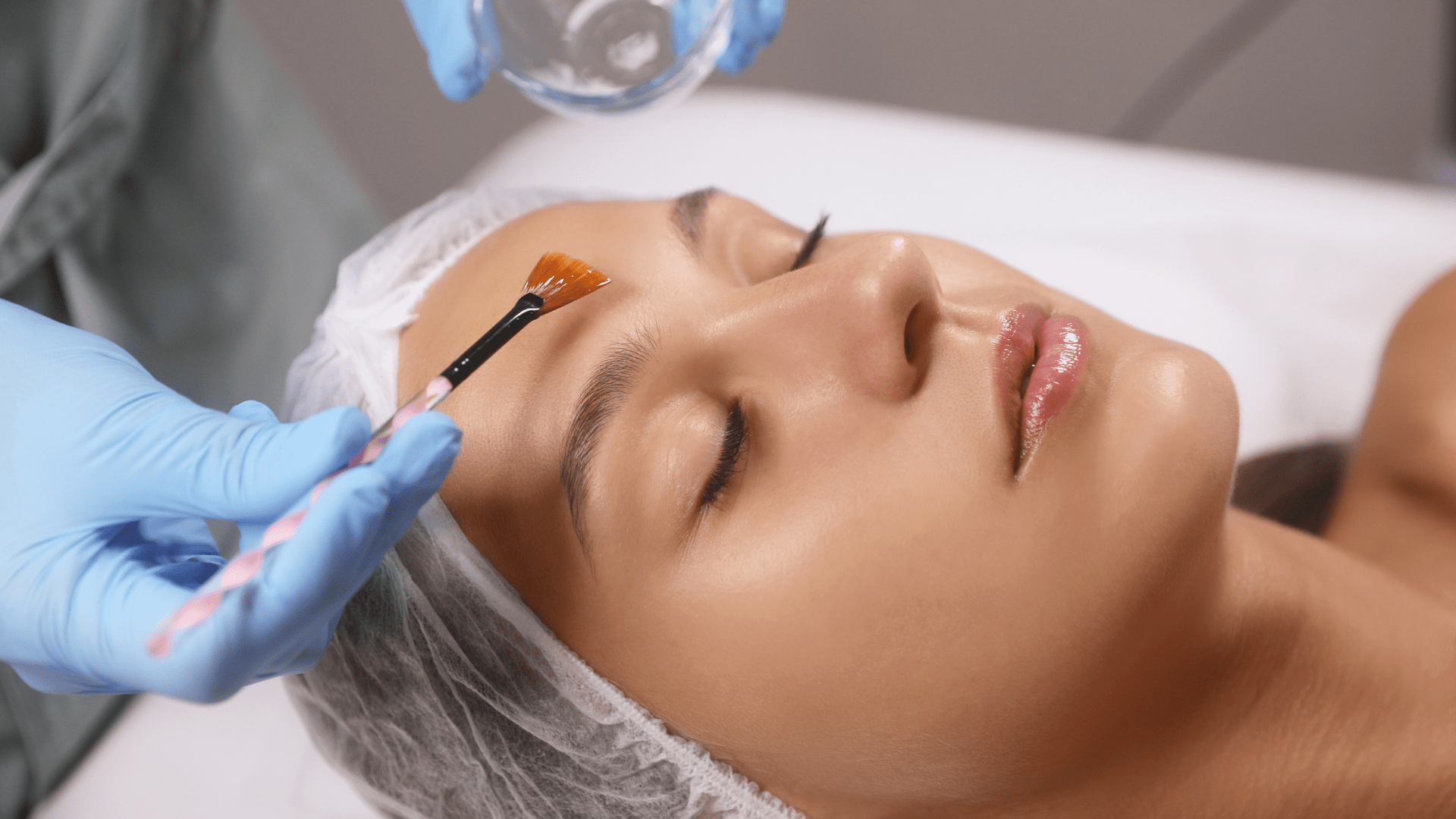
The VI Peel is one of those treatments people hear about often, but don’t always fully understand. Is it just another peel? Is it only for acne? Is peeling the main point? And if the skin turns white during treatment, is that normal?
At Beautyfluff, the VI Peel is offered in several versions depending on what the skin needs. Beautyfluff currently offers VI Peel Original, VI Peel Advanced, VI Peel Precision Plus, VI Peel Purify, and VI Peel Purify with Precision Plus, each one designed to target different concerns such as texture, acne, pigment, and visible signs of aging.
So, what exactly is a VI Peel?
The VI Peel is an in-office chemical peel performed by a trained provider. VI Derm describes all VI Peel treatments as medical in-office treatments that should be applied by a trained VI provider, and the brand notes that there are multiple formulas designed for different skin concerns and goals.
More broadly, chemical peels work by encouraging exfoliation and cellular turnover, helping the skin shed damaged outer layers so fresher skin can come forward. VI Derm’s post-treatment education explains that chemical peels stimulate exfoliation and encourage new cells to reach the surface, which can help improve smoothness, clarity, and overall radiance.
That is part of why the VI Peel is used for so many different concerns. According to VI Derm and Beautyfluff’s own service descriptions, VI Peel formulas may be chosen to help with uneven tone, acne, post-acne marks, hyperpigmentation, melasma, fine lines, sun damage, and skin texture. VI Derm also states that all VI Peel treatments are safe and effective for all skin tones.
Which VI Peel does what?
One of the reasons the VI Peel stays so popular is that it is not just one formula trying to do everything.
At Beautyfluff, the VI Peel Original is a medium-depth peel designed to improve tone, texture, and clarity while helping with fine lines, sun damage, and acne scars. The VI Peel Advanced is positioned more toward visible signs of aging and collagen support. The VI Peel Precision Plus is the pigment-focused option, described as targeting concerns such as sunspots, age spots, and melasma. The VI Peel Purify is more acne-focused, while VI Peel Purify with Precision Plus combines acne support with pigment correction for concerns like post-acne marks and uneven tone.
That means the right VI Peel is not just about wanting a glow. It depends on what the skin is actually dealing with.
What should you expect afterward?
The word “peel” makes people imagine immediate shedding, but that's not usually how it looks.
Immediately after treatment, the skin may look slightly tan and glowy, and many people are able to continue their regular daily routine right afterward. Peeling typically begins around day three and often lasts for about three to four days, though this varies from person to person. Even just one peel can create noticeable rejuvenation, but in general, a series of 3 to 6 peels may be recommended depending on the condition being treated.
So while the VI Peel is often described as low-downtime compared with older, harsher peels, it still requires aftercare, patience, and realistic expectations.
What is blanching during a VI Peel?
This is one of the parts that can look really shocking if you're not expecting it.
For skin peels, blanching refers to a white appearance in the skin caused by protein coagulation, which can happen when a peel penetrates more deeply in a particular area. This isn't the surface residue of skin peeling off, but a deeper reaction in the skin.
In practical terms, blanching may show up in areas where the skin is more reactive, more compromised, or has had previous inflammation, breakouts, or trauma. If spot blanching occurs, those areas may later peel more, feel drier, or temporarily darken before the skin finishes healing.
That does not mean every VI Peel should blanch, and it does not mean more blanching equals a better peel. It means the peel is reacting more deeply in a specific area, which is exactly why provider judgment matters so much.
This is one of the reasons the VI Peel should be performed by a trained professional who knows how to recognize the skin’s response in real time, adjust appropriately, and guide the healing process afterward.
Why provider guidance matters
The VI Peel is popular because it can be tailored toward different concerns, but that also means it is not a one-size-fits-all treatment.
Someone dealing with acne and post-acne marks may need a different VI Peel than someone focused on melasma or visible aging. Someone with darker skin tones or more reactive skin may also need a more careful plan and strong aftercare. The number of treatments needed varies by person and by skin condition, and that a provider should recommend the appropriate formula and frequency.
At Beautyfluff, that is what makes the VI Peel more than just a trending treatment, but as a customizable tool that can be matched to what the skin actually needs. Whether the goal is clearer pores, brighter tone, smoother texture, or support for stubborn pigment, the VI Peel can be a strong option when it is chosen thoughtfully and performed well.
If you are interested in finding out which VI Peel may be right for your skin, book a skin consultation with Beautyfluff today!
Comments