Vi Peel Before and Aftercare: What You Need to Know
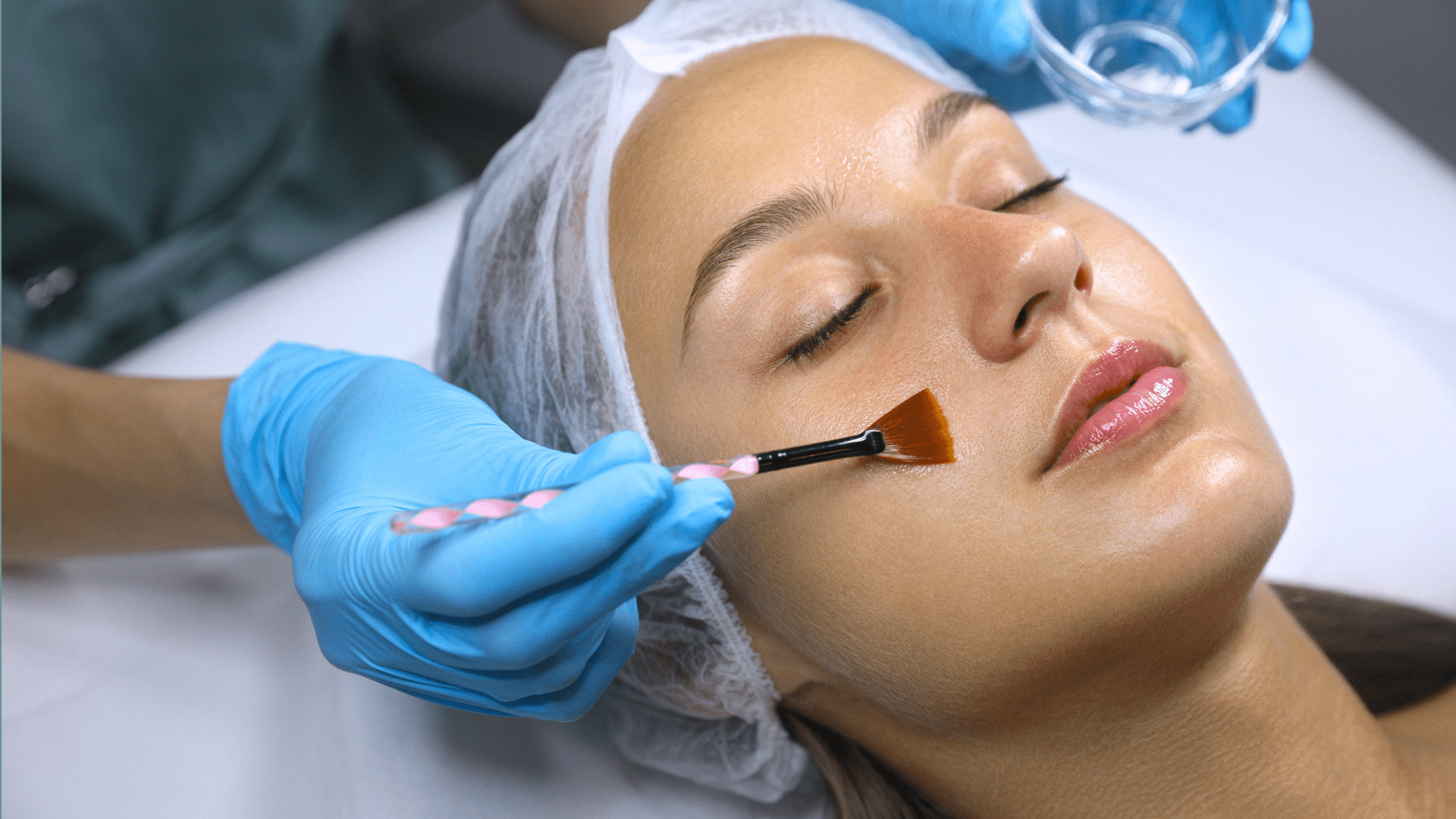
A VI Peel is a professional chemical peel designed to improve concerns such as uneven tone and texture, acne, acne scars, sun damage, fine lines, and visible pigmentation.
Although the peel is applied during your appointment, most of the exfoliation happens at home over the following week. Preparing your skin beforehand and following your take-home instructions carefully can make the process much more comfortable.
Different VI Peel formulas are available for different skin concerns, allowing your provider to select the option that best fits your skin and goals.
Click here to learn more about the different VI Peel options we offer and how they work.
Here's what to know before and after your VI Peel at Beautyfluff!
Before Your VI Peel
Tell Us About Your Health and Medications
Before your appointment, let your provider know about any health conditions, allergies, medications, supplements, or recent procedures.
Be sure to mention if you:
-
Are pregnant or breastfeeding
-
Have an aspirin, hydroquinone, phenol, or skincare ingredient allergy
-
Have used oral isotretinoin (also known as Accutane), within the past six months
-
Have active cold sores, open wounds, warts, or broken skin
-
Have a history of herpes simplex or recurring cold sores
-
Have an autoimmune condition, liver disorder, or weakened immune system
-
Are undergoing or recently completed chemotherapy or radiation
-
Have difficulty healing or a history of significant pigmentation changes
Don't stop a prescribed medication on your own. If something may interfere with treatment, your provider and prescribing clinician can help determine the best next step for you.
Avoid Sunburn and Tanning
Avoid tanning beds, deliberate tanning, and excessive sun exposure before your appointment. A VI Peel should not be applied to freshly sunburned, peeling, or significantly irritated skin. Wear broad-spectrum sunscreen each day and use a hat or shade when spending time outdoors.
Let us know if you develop a sunburn before treatment. It may be better to reschedule and give your skin time to settle.
Pause Irritating Skincare Products
We may ask you to temporarily stop products that exfoliate the skin or increase sensitivity, including:
-
Retinoids and retinol
-
Glycolic, salicylic, and lactic acids
-
Benzoyl peroxide
-
Strong vitamin C formulas
-
At-home peels
-
Facial scrubs
-
Exfoliating toners or brushes
The correct timeframe depends on your skin and the products you use, so follow the instructions given by your provider.
In the meantime, keep your routine simple with a gentle cleanser, moisturizer, and sunscreen.
Avoid Waxing and Other Exfoliating Treatments
Avoid waxing, depilatory creams, scrubs, facial brushes, and other treatments that may leave the skin raw or sensitive.
Remember to tell us about any recent facials, peels, laser services, or resurfacing procedures. Your provider can determine whether enough time has passed between treatments for your skin to recover from your most recent treatment.
Check Your Calendar
Visible peeling usually begins around the third day and is often most noticeable between days three and five.
Consider avoiding treatment immediately before:
-
Weddings or formal events
-
Professional photographs
-
Important presentations
-
Vacations involving sun or swimming
-
Activities requiring strenuous exercise
You can still continue many daily activities, but it helps to know when the peeling phase may be most visible, especially for big events where you want to look your best.
The Day of Your Appointment
Whenever possible, arrive with clean, bare skin. Do your best not to apply makeup, self-tanner, facial oil, heavy cream, perfume, or active skincare products to the treatment area.
During the appointment, your provider will cleanse the skin and apply the peel in controlled layers. Mild warmth, tingling, or stinging may occur during application.
Unlike many facial treatments, the VI Peel remains on your skin after you leave. Beautyfluff will provide a take-home kit and specific instructions for cleansing, post-peel towelettes, repair cream, and sunscreen. Remember to keep those instructions nearby! The timing may vary depending on the VI Peel formula you receive.
What to Expect After a VI Peel
During the first two days, your skin may look slightly pink, tan, bronzed, or darker than usual. It may also feel tight, dry, warm, mildly itchy, or sensitive.
Pigmented areas may temporarily become darker as the skin prepares to peel. A mild breakout or purging response may also occur.
Visible peeling often follows this general pattern:
Days One and Two
The skin may feel tight or dry, but visible peeling may not have started yet.
Continue following the take-home kit exactly as instructed.
Days Three Through Five
Peeling is usually most noticeable during this period.
It often begins around the mouth and moves outward. The skin may flake lightly or peel in larger pieces.
Do not pull, rub, or pick at loose skin.
Days Six and Seven
Most visible peeling usually begins to settle.
Small areas around the forehead, hairline, neck, or outer face may continue peeling slightly longer.
Even after the visible flaking stops, the new skin may remain sensitive for a few more days.
Some patients peel heavily, while others experience only fine flaking. A lack of dramatic peeling does not necessarily mean that the treatment was ineffective.
VI Peel Aftercare
Follow Your Take-Home Schedule
The post-peel kit is an important part of your treatment.
Depending on your formula, it may contain:
-
Post-peel towelettes
-
Gentle cleanser
-
Post-Treatment Repair Cream
-
VI Derm SPF 50 sunscreen
-
Formula-specific instructions
Leave the peel undisturbed for the first four hours unless your provider gives you a different schedule. Do not apply water, makeup, sunscreen, moisturizer, or other products during that time.
Use each post-peel towelette according to the instructions in your kit. Mild tingling, warmth, itching, or stinging may occur, but it shouldn't feel extremely painful.
If peeling has already begun, avoid rubbing a towelette over loose, raw, or freshly peeled skin. If you miss a step, don't double the next application unless your provider tells you to.
Contact us if you are unsure of what to do!
Cleanse Gently
Use cool or lukewarm water and a gentle cleanser.
Apply products with clean fingertips and pat the skin dry with a soft towel. Avoid:
-
Scrubs
-
Washcloths
-
Cleansing brushes
-
Exfoliating devices
-
Hot water
-
Direct shower pressure against the face
When showering, keep shampoo and conditioner away from the treated skin whenever possible.
Moisturize as Directed
Apply the Post-Treatment Repair Cream according to your instructions and whenever the skin feels dry or uncomfortable.
A little temporary tingling may occur when products touch freshly peeling skin. Make sure to contact us if a product causes severe or persistent burning!
Don't Pick the Skin
Picking away loose skin can be tempting, but allow it to come away naturally.
Pulling or peeling the skin before it is ready may cause:
-
Raw or painful areas
-
Inflammation
-
Infection
-
Scarring
-
Dark or light pigmentation changes
If a piece of skin is hanging or catching, contact Beautyfluff for guidance rather than pulling it away.
Protect Your Skin From the Sun
Freshly peeled skin is especially sensitive to ultraviolet exposure. Use the VI Derm SPF 50 sunscreen as instructed and reapply throughout the day. Add a wide-brimmed hat, shade, or protective clothing when outdoors. Avoid tanning beds and extended direct sun exposure throughout the peeling process and after visible peeling has stopped.
Avoid Exercise and Excessive Heat
Avoid strenuous exercise, excessive sweating, and overheating for 72 to 96 hours after the peel.
This includes:
-
Intense workouts
-
Hot yoga
-
Saunas
-
Steam rooms
-
Hot tubs
-
Very hot showers
Heat and perspiration may increase irritation and raise the risk of blistering or post-inflammatory pigmentation. Your provider may recommend avoiding excessive heat for the full seven-day peeling period, especially when treating melasma or pigmentation.
Be Gentle With Makeup
Makeup may generally be applied after the first four hours and after completing the required take-home steps, unless your provider advises otherwise.
However, makeup may sit unevenly while the skin is actively peeling. Use clean applicators, avoid rubbing or buffing, and do not cover blistered, open, or raw areas. Remove makeup with a gentle cleanser.
Wait Before Restarting Active Skincare
Do not use retinoids, acids, scrubs, or other strong active products during the peeling process. Gentle, non-active products may be resumed once peeling has stopped, often around days six or seven.
Stronger active ingredients may generally be restarted around days seven through ten, but only when:
-
Peeling has stopped
-
Redness and sensitivity have settled
-
The skin feels comfortable
-
Your provider said you're good to resume them
Bring products back gradually rather than restarting your entire routine at once.
Wait Before Other Treatments
Wait at least two weeks before receiving treatments that exfoliate, heat, or significantly manipulate the skin, or however long your provider recommends. This may include facials, waxing, chemical peels, microdermabrasion, lasers, and other resurfacing procedures.
When Should You Contact Beautyfluff?
Contact the clinic if you experience:
-
Severe or worsening pain
-
Intense burning that does not settle
-
Blistering
-
Open or weeping skin
-
Rapidly increasing swelling
-
Redness that continues spreading
-
Pus, drainage, or a foul odor
-
Fever or feeling unwell
-
A significant rash or hives
-
A cold-sore outbreak
-
Severe or persistent itching
-
Significant darkening or lightening of the skin
-
Any reaction that feels unusual or concerning
Seek immediate medical attention for difficulty breathing, swelling of the lips or throat, faintness, or another sign of a severe allergic reaction.
Remember, you do not need to wait until a symptom becomes severe before reaching out to us! It's always better to ask sooner rather than later when you notice something that doesn't seem quite right.
Conclusion
A VI Peel can help refresh the appearance of uneven tone, texture, acne, pigmentation, and visible signs of aging. Much of the process, however, takes place during the days after your appointment.
Before treatment, avoid inflaming your skin (including mild sunburns), pause irritating products as instructed, and tell your provider about your medications, health conditions, allergies, and any recent procedures.
Afterward, follow your take-home schedule carefully. Cleanse gently, use the recommended repair products, stay out of the sun and excessive heat, and let the peeling skin come away naturally.
We will help select the VI Peel formula that best fits your concerns and guide you through each step of the recovery process. Book a skin consultation with Beautyfluff today to learn if a VI Peel may be the perfect match for your skin goals!
Comments